
Beyond Recreation: Why Walking and Biking Matter for Everyday Transportation
Beyond Recreation: Why Walking and Biking Matter for Everyday Transportation
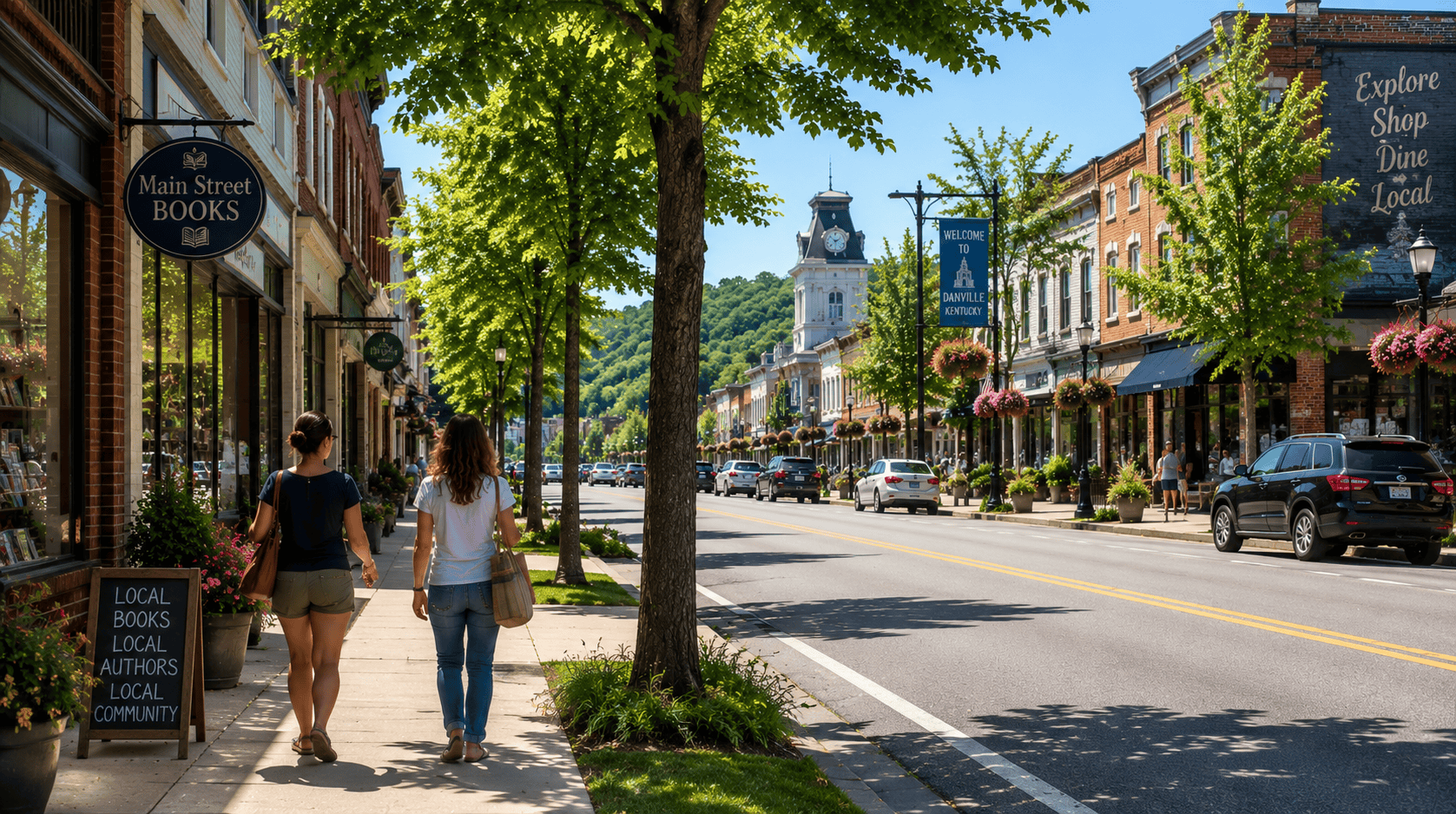
When many people think about walking or biking, they picture recreation—a weekend ride, a family walk through the park, a hike on a favorite trail, or an evening stroll around the neighborhood.
While recreation is certainly important, walking and biking can serve another purpose that is often overlooked: transportation.
Across Kentucky and throughout the country, communities are increasingly recognizing that walking and biking are not just activities. They are ways people move through their communities, access essential services, connect with neighbors, and improve their health at the same time.
This concept, often called active transportation, is an important part of creating healthier, safer, and more connected communities.
What Is Active Transportation?
Active transportation refers to walking, biking, rolling, or other forms of human-powered movement used to reach a destination.
Examples include:
- Walking to school
- Biking to work
- Walking to a local restaurant
- Riding a bicycle to the library
- Walking to a neighborhood park
- Using a trail to connect to downtown businesses
- Combining walking or biking with public transit
Unlike recreational activity, active transportation has a purpose beyond exercise. The goal is to get somewhere.
That distinction matters because it changes how communities think about infrastructure, safety, accessibility, and quality of life.
Why Transportation Choices Matter
For many Kentuckians, driving remains the primary transportation option. In many areas, it is the most practical choice. However, not every trip requires a vehicle.
National transportation studies consistently show that many daily trips are relatively short. Trips to schools, parks, stores, restaurants, and community destinations are often within walking or biking distance.
When safe options exist, some people choose to leave the car behind. This benefits both individuals and communities.
Health Benefits Beyond Exercise
One of the greatest advantages of active transportation is that physical activity becomes part of everyday life.
Rather than setting aside time to exercise, movement is naturally incorporated into daily routines.
Research has consistently linked regular physical activity to:
- Reduced risk of heart disease
- Lower rates of obesity
- Improved mental health
- Better blood pressure control
- Reduced risk of diabetes
- Increased energy levels
- Improved overall well-being
Even short periods of daily movement can contribute to long-term health benefits.
For children, active transportation can help establish healthy habits that continue into adulthood.
Safe Routes to School
One of the most visible examples of active transportation is students walking or biking to school.
Programs such as walking school buses and bike buses have gained momentum in Kentucky communities because they offer benefits that extend beyond transportation.
Students who walk or bike to school often:
- Begin the day with physical activity
- Build confidence and independence
- Develop awareness of their community
- Strengthen social connections with peers
- Learn transportation safety skills
Families also benefit from reduced vehicle congestion around schools and increased opportunities for community engagement. These programs demonstrate that transportation can support both health and education goals simultaneously.
Building Stronger Communities
Walking and biking create opportunities for interaction that simply do not occur when everyone travels by car.
People walking through a neighborhood are more likely to:
- Meet neighbors
- Support local businesses
- Visit parks and public spaces
- Participate in community events
- Develop stronger connections to place
Communities that encourage walking and biking often report increased use of public spaces and greater community engagement. When people experience their communities at a slower pace, they notice more, interact more, and become more invested in local quality of life.
Supporting Local Businesses
Active transportation is not only a health issue. It is also an economic development strategy. Visitors who walk or bike through a downtown district are more likely to stop, browse, and spend time exploring local businesses.
Trails, greenways, and bicycle routes can attract visitors who support:
- Restaurants
- Coffee shops
- Retail stores
- Lodging establishments
- Tourism destinations
- Local attractions
Communities across Kentucky continue exploring ways to connect active transportation networks with economic development opportunities. A sidewalk, trail, or bike route is often more than transportation infrastructure—it can also be an investment in local vitality.
Infrastructure Makes a Difference
People are more likely to walk and bike when they feel safe doing so.
This is where community planning becomes important.
Infrastructure that supports active transportation may include:
- Sidewalks
- Shared-use paths
- Greenways
- Crosswalks
- Traffic calming measures
- Bicycle facilities
- Trail connections
- Accessible curb ramps
These improvements help create environments where people of all ages and abilities can move safely throughout their communities. Importantly, these improvements benefit more than just cyclists and pedestrians. They can improve accessibility, safety, and quality of life for everyone.
Active Transportation Is for Everyone
Active transportation is not about replacing cars. It is about creating choices.
Some people may walk to a local destination. Others may bike to work a few days each week. Some families may choose to walk to school or ride to a nearby park.
The goal is not for every trip to occur on foot or by bicycle. The goal is to ensure that walking and biking are realistic options when people want to use them. Communities that provide those options tend to be healthier, more connected, and more resilient.
Looking Forward
Across Kentucky, local leaders, planners, schools, health professionals, and community advocates are working together to create environments that support active living.
Walking and biking will always be valuable recreational activities. But they can also serve as practical transportation options that strengthen health, support local economies, and connect people to the places they care about most.
When communities make it easier to walk and bike safely, they are not simply building infrastructure. They are creating opportunities for healthier people, stronger neighborhoods, and a more connected Kentucky.