How Community Voices Help Create Safer Streets
How Community Voices Help Create Safer Streets
When people think about transportation projects, they often picture road crews, engineering plans, or government agencies making decisions behind closed doors.
What many people do not realize is that some of the most meaningful improvements in a community begin with something much simpler: a resident speaking up.
A missing sidewalk. A dangerous crossing near a school. A trail that stops just short of connecting two neighborhoods. A busy road where people would like to bike but do not feel safe doing so.
Behind many transportation improvements is a community member who noticed a problem and believed it could be better.
Across Kentucky, safer streets are not created by infrastructure alone. They are created when people become involved in shaping the places where they live, work, learn, and play.
Most Improvements Begin with a Conversation
Transportation projects often seem large and complex once construction begins. New sidewalks, trail extensions, traffic calming measures, and intersection improvements can involve years of planning, funding, and coordination.
But before any of those things happen, someone usually identifies a need.
Perhaps it is a parent who walks their child to school and worries about crossing a busy road. Maybe it is a senior citizen who struggles to navigate a missing sidewalk connection. It could be a business owner who sees visitors walking between downtown destinations without safe places to cross. Sometimes it is a cyclist who recognizes that a small infrastructure improvement could make a route safer for everyone.
These observations matter because they often reveal challenges that data alone cannot capture.
Crash reports and traffic counts provide important information, but they do not always tell the complete story. Residents experience their communities every day. They understand where people feel comfortable walking and where they do not. They know which intersections cause concern, which destinations are difficult to reach, and where opportunities exist to improve connectivity.
That local knowledge is valuable.
The People Who Use a Community Know It Best
Transportation planners and engineers bring technical expertise to the table, but successful planning depends on understanding how people actually experience a place.
- A parent walking to school sees different things than a traffic engineer reviewing maps.
- A person using a wheelchair may identify accessibility barriers that others overlook.
- A runner, cyclist, business owner, student, or older adult may each have a unique perspective on how transportation systems function in their community.
When local governments gather public input, they are not simply checking a box. They are seeking information that can help create better outcomes. Community voices help identify priorities, highlight concerns, and reveal opportunities that may not otherwise be visible.
The most effective transportation plans are often the ones shaped by the people who will ultimately use them.
How an Idea Becomes a Project
Many residents are surprised to learn how transportation improvements move from concept to construction.
The process often begins with identifying a problem or opportunity. Communities then gather information, engage stakeholders, and evaluate possible solutions. Plans may be developed to establish priorities and document future needs.
Once a project becomes part of a community’s planning efforts, leaders can begin pursuing funding opportunities, coordinating with transportation agencies, and advancing the project through design and implementation.
This process can take time.
Large infrastructure projects rarely happen overnight. Funding cycles, engineering requirements, and construction schedules all influence timelines. Yet nearly every successful project starts in the same place: someone recognized a need and brought attention to it.
Planning may not always be the most visible part of the process, but it is often the most important.
Why Participation Matters
One of the most common misconceptions about community planning is that someone else will handle it. People assume transportation professionals, elected officials, or advocacy organizations already know what needs to happen.
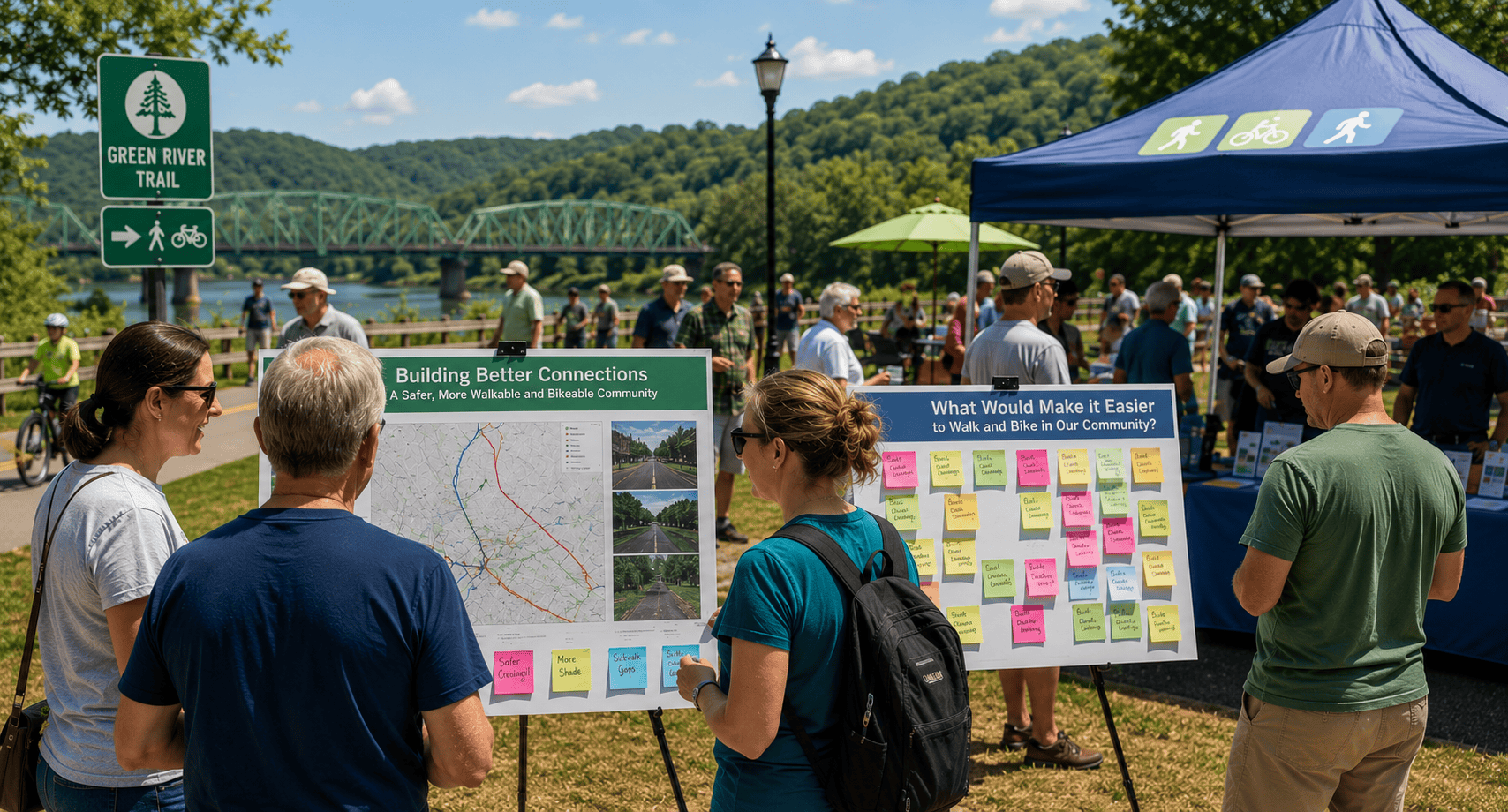
In reality, community participation remains one of the most important components of effective planning. Public meetings, workshops, surveys, and planning sessions provide opportunities for residents to share their experiences and help shape future investments.
When participation is low, decision-makers have less information about community priorities.
When participation is strong, communities are better positioned to identify meaningful projects and build support around shared goals.
The purpose is not simply to collect opinions. The purpose is to understand how transportation systems affect everyday life. That information helps guide decisions that can influence a community for decades.
Progress Often Happens One Step at a Time
When people hear the phrase “transportation improvement,” they often imagine major construction projects with significant budgets and lengthy timelines. While large projects certainly play an important role in improving transportation systems, some of the most meaningful changes are relatively modest in scope.
A sidewalk connection that closes a gap between neighborhoods, a safer crossing near a school, improved lighting along a frequently used walking route, or better signage along a trail system can have a meaningful impact on how people experience a community. These improvements may not generate headlines, but they often address everyday barriers that discourage people from walking or biking.
Communities that make consistent progress typically do so through a series of incremental improvements rather than a single transformational project. Each improvement helps create a safer, more connected transportation network while demonstrating the value of continued investment. Over time, these smaller projects can build public support, strengthen partnerships, and create opportunities for larger improvements in the future.
Kentucky Communities Are Showing What Is Possible
Communities across Kentucky are demonstrating how planning, partnerships, and public engagement can lead to meaningful change.
Calvert City’s recognition as a Bicycle Friendly Community, for example, did not happen because of one project or one person. It resulted from intentional planning, collaboration, and a commitment to improving opportunities for walking and biking.
The same is true for many trail projects, downtown improvements, and active living initiatives taking place throughout the Commonwealth.
Successful communities rarely begin with perfect infrastructure. They begin by identifying opportunities and working together to address them.
Every Voice Matters
You do not need to be an engineer to recognize a safety concern, and you do not need a planning degree to understand how transportation affects your daily life. The people who walk, bike, drive, roll, and move through a community every day have valuable perspectives that deserve to be heard.
Transportation improvements often begin when residents identify a need and bring attention to it. A parent may raise concerns about a crossing near a school. A resident may notice a missing sidewalk connection. A community organization may recognize an opportunity to improve access to parks, businesses, or public spaces. These observations frequently become the starting point for conversations that eventually lead to planning, funding, and implementation.
Creating safer streets is a shared responsibility. While engineers, planners, and elected officials play important roles, community members help ensure that transportation investments reflect local needs and priorities. When residents participate in public meetings, planning workshops, surveys, and community discussions, they contribute valuable knowledge that can shape future improvements.
The future of active transportation in Kentucky will not be built solely through engineering drawings or policy documents. It will also be shaped by engaged residents, strong partnerships, and communities willing to participate in the process of creating safer, healthier, and more connected places to live.