
When Bicycling Becomes Ordinary
When Bicycling Becomes Ordinary
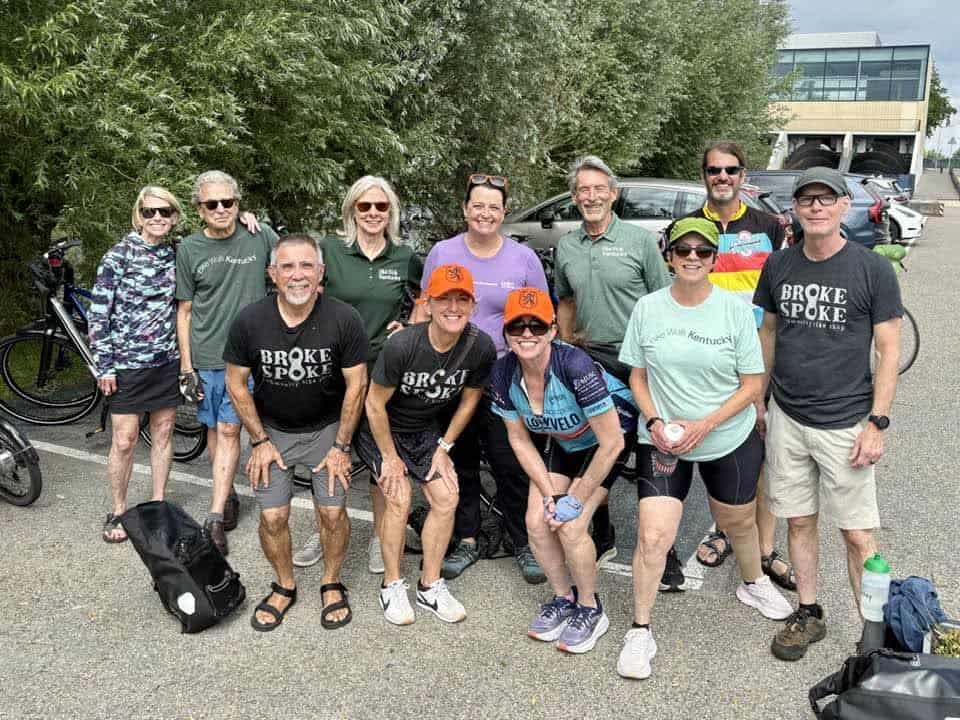
Kentucky cyclists reflect on ten days traveling through the Netherlands and what communities can learn from a transportation system built around everyday movement.
For many Kentuckians, bicycling is something we choose for exercise, recreation or the occasional short trip. During a ten-day journey through the Netherlands, a group of Bike Walk Kentucky board members and community volunteers experienced a transportation system in which bicycling was not treated as a special activity. It was simply how people got where they needed to go.
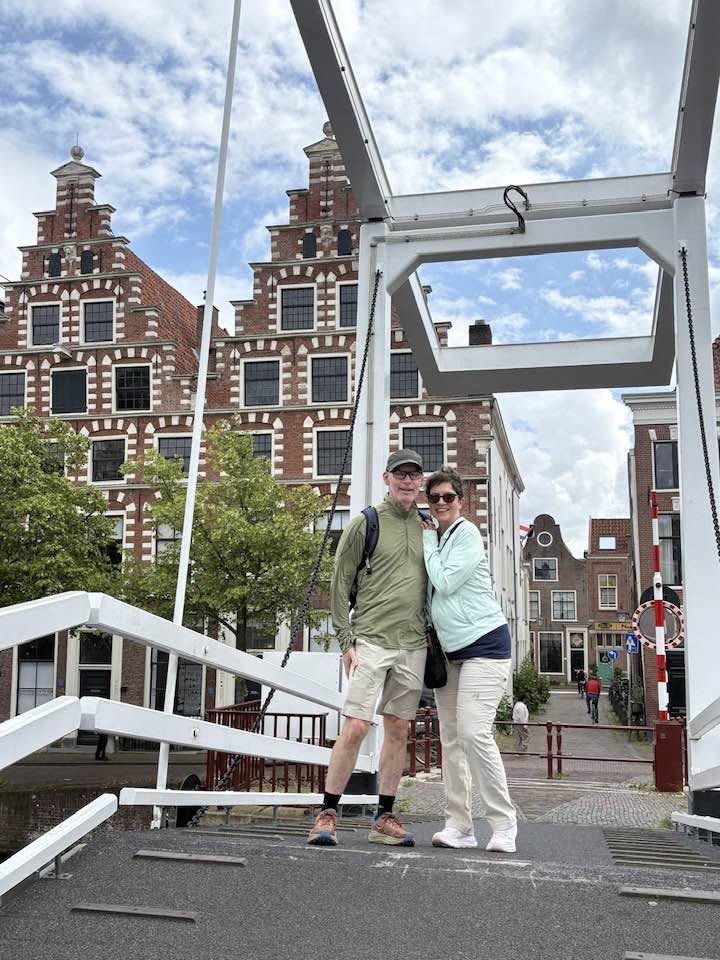
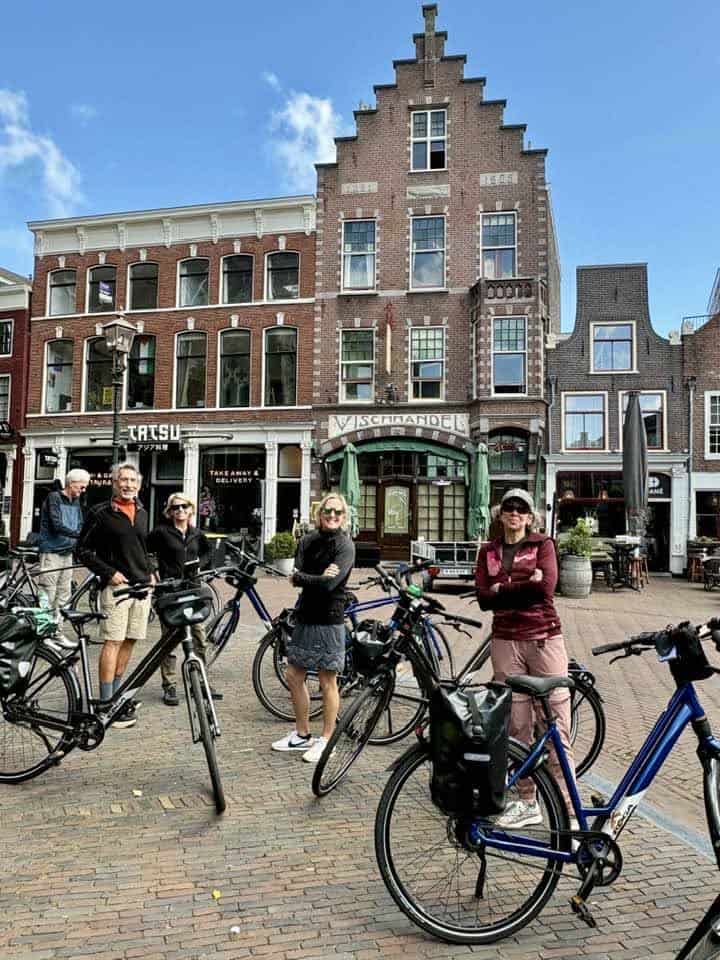
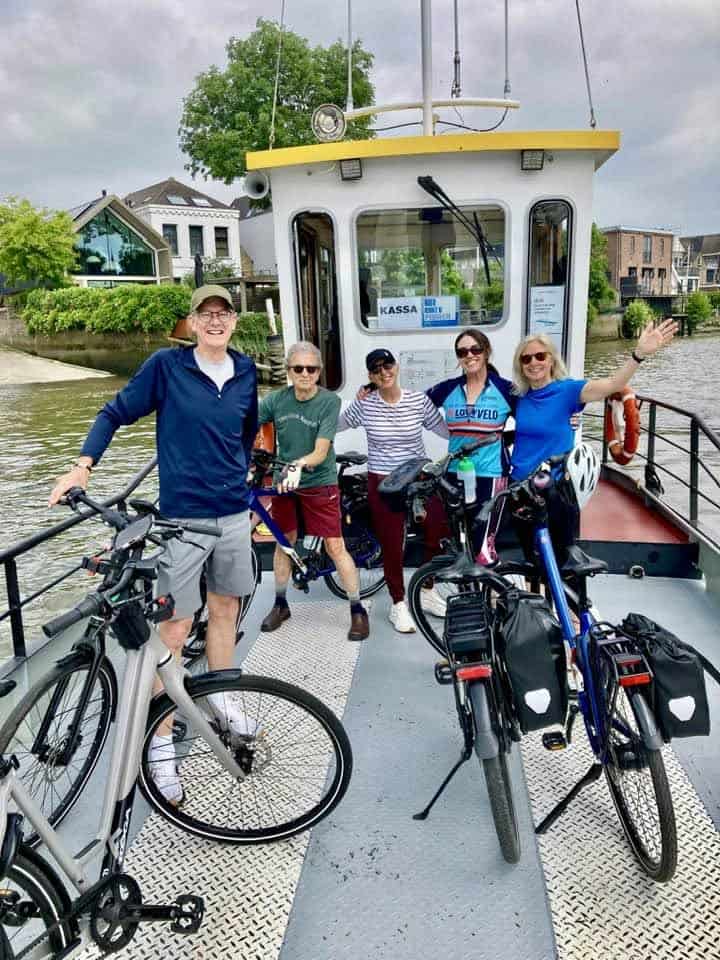
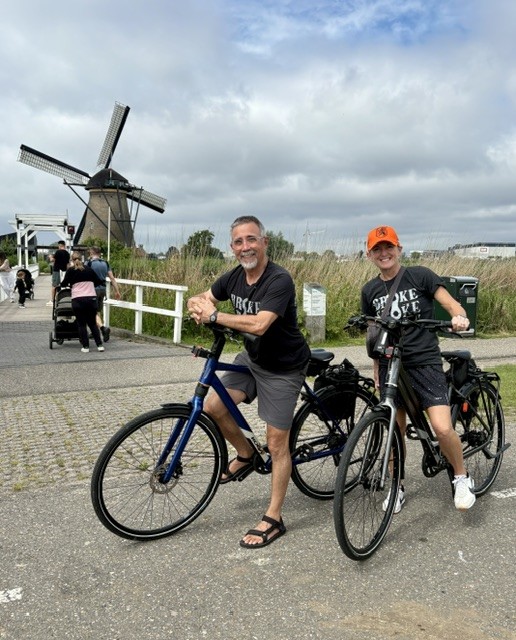
From June 10 through June 20, the group traveled by bicycle through Haarlem, Leiden, Delft, Gouda, Schoonhoven, Utrecht and Weesp. They rode between 25 and 35 miles each day, moving from one town to the next while their luggage was transferred between hotels.
The trip was coordinated by Bike Walk Kentucky Vice President Sharon Brown through Tulip Cycling, a small, locally owned Dutch tour company. Brown had previously led four Transylvania University May term travel courses, but this journey brought together Bike Walk Kentucky board members and volunteers connected to Broke Spoke Community Bike Shop in Lexington, where she served on the board for six years.
The experience offered beautiful scenery, historic towns and time among friends. It also gave the group a firsthand look at what becomes possible when communities make bicycling safe, connected and convenient enough to become part of everyday life.
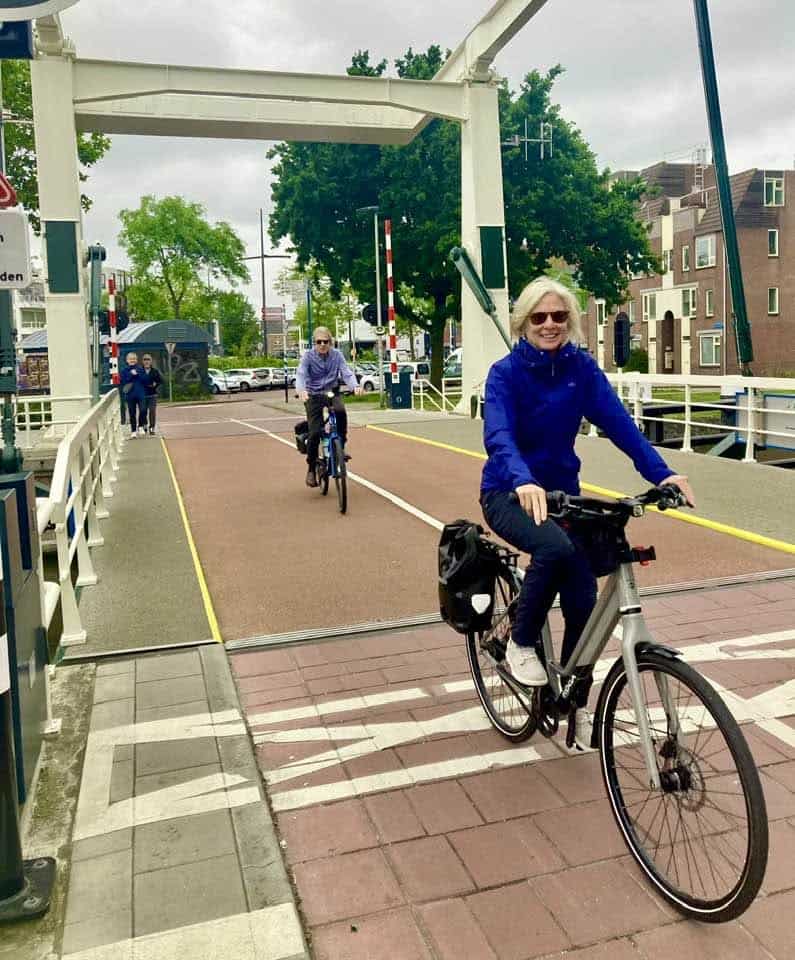
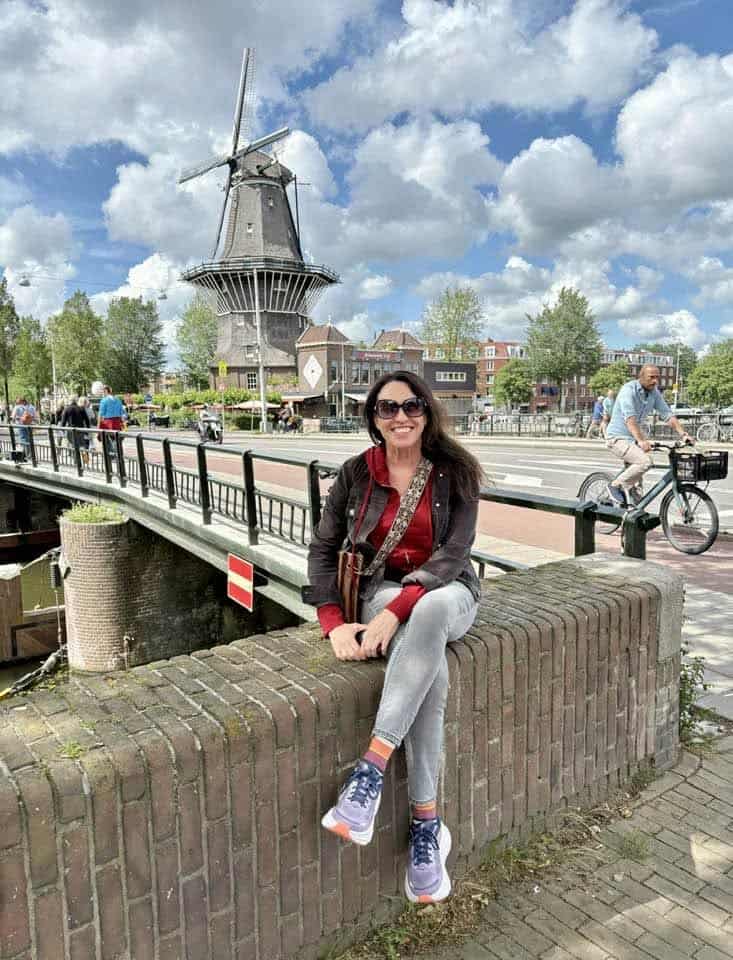
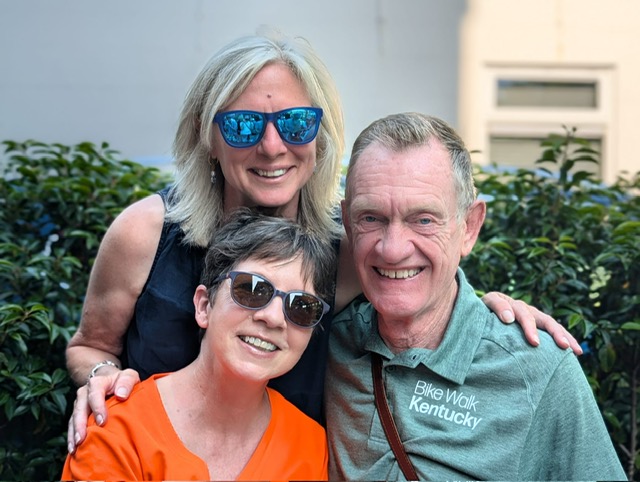
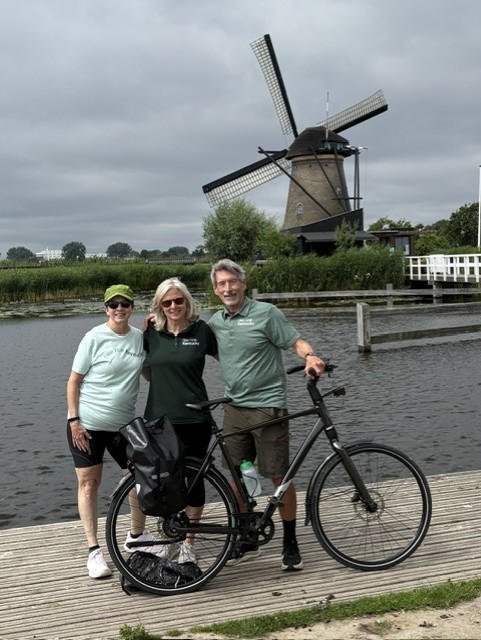
Bicycling as part of daily life
Participants were struck by the sheer number and variety of people riding bicycles. They saw children traveling to school, students heading to universities, employees commuting to work, families carrying young children in cargo bikes and older adults moving independently through their communities.
Bike Walk Kentucky board member Randy Thomas and his wife, Pam, were among those who made the trip. Randy said what impressed him most was how completely bicycling had been integrated into daily life.
“Kids cycling to school, students riding to universities, people cycling to their jobs, people cycling to stores,” he observed. “Many people use bicycles like we use cars in most of the U.S.”
Other participants echoed that impression. They described seeing riders of nearly every age and background, from young children to older adults and from workers making daily trips to families carrying children, groceries, pets and other belongings.
The bicycle was not reserved for athletes, enthusiasts or people dressed for a recreational ride. It was a practical tool used to reach ordinary destinations.
That distinction matters. When bicycling is viewed primarily as recreation, infrastructure may begin and end at a park, trailhead or scenic route. When it is treated as transportation, communities must consider whether people can safely reach schools, workplaces, stores, parks, transit stops and neighboring towns.
Safety was built into the journey
Participants repeatedly identified infrastructure as the reason they felt comfortable riding. They encountered separated bicycle lanes, bicycle-specific traffic signals, bridges, connected paths between towns and shared streets designed to keep vehicle speeds low.
Pam described the experience as surprisingly easy and calm. She was especially impressed by the way bicycles, cars, buses, trains and pedestrians moved within the same transportation system without constant conflict.
“The separate infrastructure for bikes was fabulous,” she said. “It was easy and anxiety-free.”
Others noted that even when bicycles and vehicles shared a street, drivers appeared to expect cyclists to be there. That sense of predictability mattered. Riders were not left wondering whether a driver had seen them or resented their presence on the road.
Participants also observed that safety did not depend only on every person making a perfect decision. It was reinforced by the design of the streets, crossings and transportation network.
Cars had not disappeared, and cyclists were not separated from every other mode at all times. Instead, the system was arranged to reduce conflict through dedicated space, clear signals, connected routes and slower vehicle speeds where people traveled together.
A connected system changes what is possible
The group traveled for ten days without relying on a car. That experience demonstrated the difference between having a few isolated bicycle facilities and having a connected network that allows people to complete an entire trip.
A bicycle lane that ends abruptly, a trail that does not reach a destination or a safe route interrupted by a dangerous crossing can make bicycling impractical. In contrast, connected infrastructure allows people to move between homes, businesses, schools, transit stations and neighboring communities without repeatedly encountering gaps.
Participants observed that the Netherlands seemed accessible by bicycle far beyond its major cities. Routes connected urban centers, smaller towns and the countryside, allowing the group to move from place to place while experiencing the landscape at a human pace.
They also reflected on how traveling by bicycle changed what they noticed. Rather than simply passing through a place, they encountered neighborhoods, public spaces, local businesses and other travelers along the way. The journey became part of the experience rather than something to rush through before arriving at a destination.
Infrastructure can expand access
The group saw many different types of bicycles and mobility devices using the same network. Cargo bikes carried children, pets, instruments, groceries and everyday purchases. Participants also noticed that routes designed for movement outside a car could serve people using wheelchairs and other mobility aids.
Those observations broadened the conversation beyond cycling alone. Well-designed sidewalks, crossings, paths and low-speed streets can support children, older adults, people with disabilities, families without access to a vehicle and anyone who wants another way to reach daily destinations.
A transportation system that offers more choices can increase independence while supporting physical activity, community connection and access to essential services. It can also make active living part of a person’s routine rather than something that requires extra time, equipment or a dedicated exercise plan.
What can Kentucky learn?
Kentucky and the Netherlands are not the same. Our communities have different geography, development patterns, transportation needs and resources. Rural distances can be significant, and decades of car-centered planning cannot be undone with a single project.
The travelers did not return believing Kentucky could or should copy another country in every detail. They returned with a clearer understanding of what happens when safe bicycling is treated as a priority rather than an afterthought.
Randy said the experience showed that investing in cycling infrastructure can change how people move through a community.
“By making cycling infrastructure a priority, you will increase the number of bikes in use,” he said. “You can also reduce vehicle traffic, congestion and some of the environmental impacts of transportation.”
For Kentucky communities, that work might begin with a connected sidewalk, a safer crossing near a school, a protected bicycle lane, a trail connection, a lower-speed downtown street or a plan that ensures future road projects consider people walking and bicycling from the beginning.
The lesson is not that every Kentuckian must abandon the car. It is that more people will walk, bicycle or roll when communities provide routes that feel safe, useful and connected.
Infrastructure shapes behavior. When active transportation is difficult or dangerous, even people who want to walk or ride may decide against it. When it becomes convenient and expected, it can become part of ordinary life.
That may have been the group’s most important discovery. In the Netherlands, bicycling did not feel remarkable because people were unusually brave, athletic or committed. It felt ordinary because generations of planning had made it a practical choice.
Kentucky’s path will be its own, but every safer crossing, connected route and community plan can move us closer to a future where walking and bicycling are not exceptional acts of courage. They can simply become ways to get where we need to go.