
Teaching Kids and Families Bike Safety Starts Early
Teaching Kids and Families Bike Safety Starts Early
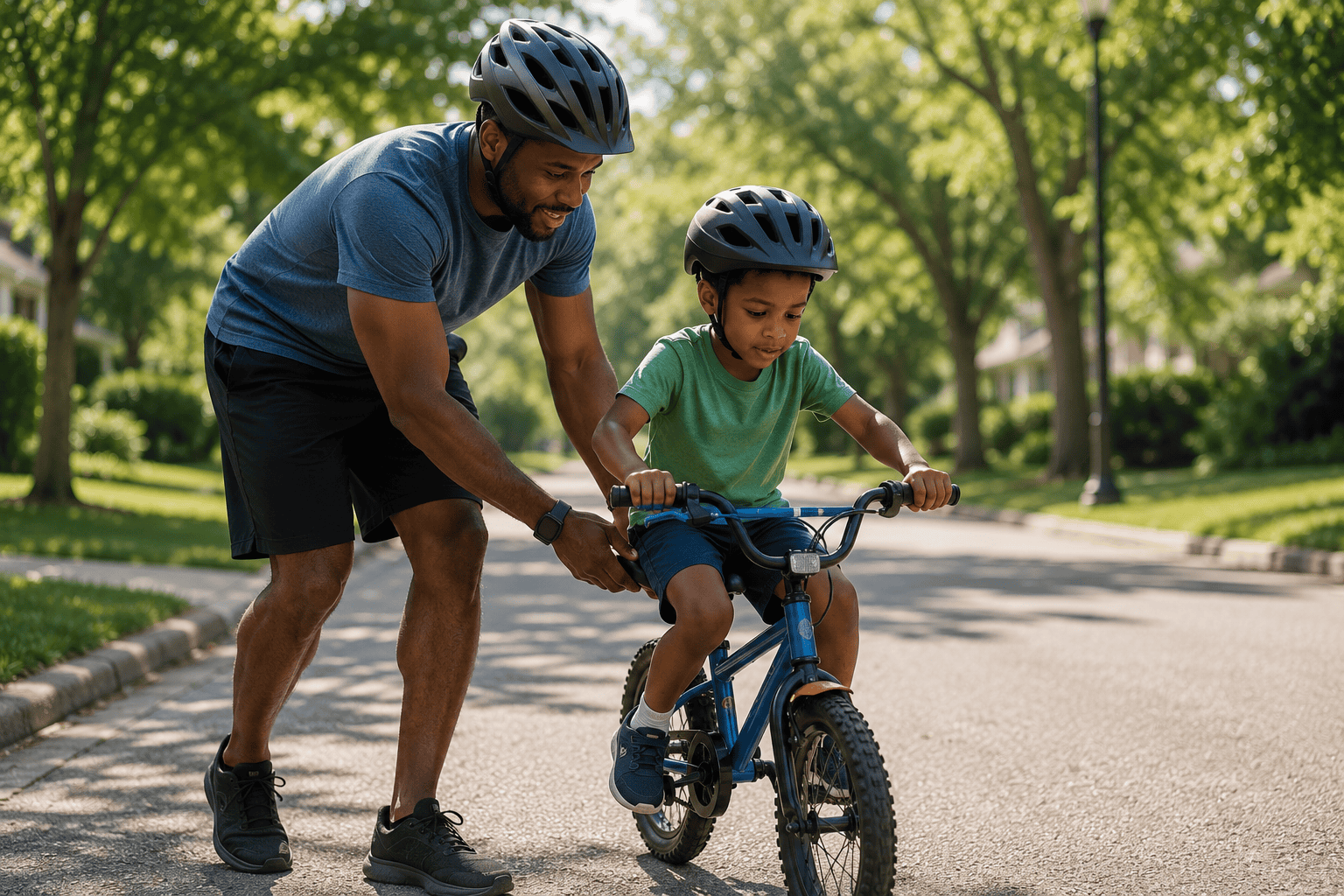
One of the best ways to build a healthier and safer Kentucky is by teaching active living habits early.
When children learn how to safely bike and walk, they gain more than transportation skills. They build confidence, independence, physical activity habits, and awareness of the world around them. Families who bike and walk together also strengthen community connection and create opportunities for healthier lifestyles.
Bike and pedestrian education is one of the core priorities identified in Bike Walk Kentucky’s strategic vision for improving safety and accessibility across the Commonwealth.
For many families, however, safety concerns can feel overwhelming.
Busy intersections, distracted driving, missing sidewalks, and limited bike infrastructure can make parents hesitant to encourage active transportation. That is why education and community awareness matter so much.
Simple lessons taught consistently can make a meaningful difference.
Children should learn:
- How to properly wear a helmet
- Basic hand signals
- How to cross streets safely
- The importance of staying visible
- How to ride predictably and follow traffic rules
- Awareness of cars, driveways, and intersections
Parents and caregivers can reinforce these lessons by modeling safe behavior themselves.
Communities also play an important role. Safe crossings, connected sidewalks, traffic calming, trails, and neighborhood bike routes help create environments where families feel more comfortable being active outdoors.
Schools, local governments, public health organizations, and advocacy groups all contribute to creating safer conditions for children and families.
Teaching bike safety is not about fear. It is about preparation, confidence, and creating lifelong habits that support health and mobility.
Every child deserves the opportunity to safely explore their community.