Bike Month in Kentucky Isn’t About Bikes. It’s About Access.
Bike Month in Kentucky Isn’t About Bikes. It’s About Access.
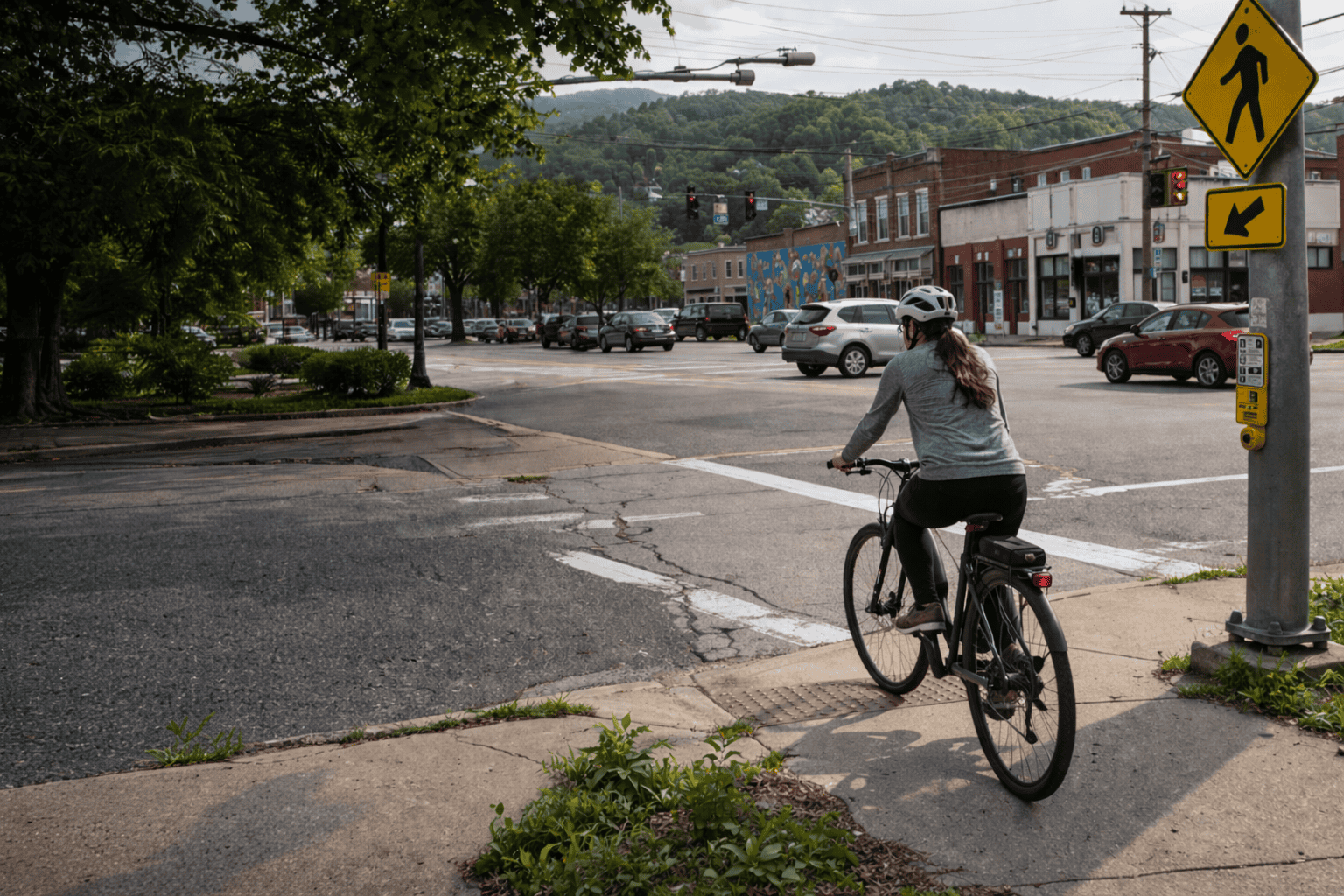
Bike Month is often seen as a celebration of cycling. Across Kentucky, you may see group rides, community events, and more people out enjoying time on two wheels. Those moments matter. They bring visibility and energy to walking and biking across the Commonwealth.
But Bike Month is not really about bikes. It is about access.
For many Kentuckians, walking and biking are not recreational choices. They are part of daily life: getting to work, going to school, reaching a park, a store, or a neighbor’s home. These are everyday trips, and for too many communities, they are not supported by safe or reliable infrastructure. When sidewalks are missing, crossings are unsafe, or roads are designed only for vehicles, the ability to choose walking or biking is limited—not by interest, but by design. That is where the conversation needs to shift.
Active living is often framed as a personal decision, something individuals choose to prioritize. In reality, that choice is heavily influenced by the environment around them. People are far more likely to walk and bike when they feel safe doing so, and when their community supports movement as part of daily life rather than treating it as an exception. This is why infrastructure matters.
Approaches like Complete Streets focus on designing roads for all users, not just drivers. That includes people walking, biking, using mobility devices, and navigating their communities in different ways. These design decisions shape how people move, how safe they feel, and whether active transportation becomes a realistic option at all.
Bike Month gives us an opportunity to look beyond the celebration and ask a more important question: who has access to safe walking and biking in their community—and who does not?
Across Kentucky, communities are at very different stages of this work. Some have made meaningful progress through planning, partnerships, and investment. Others are just beginning to identify gaps and consider what change could look like. There is no single starting point, but there is a shared reality: access is not evenly distributed. Recognizing that is where progress begins.
From there, communities can take practical steps forward. That may include developing local plans, identifying safety concerns, improving connectivity, or simply starting conversations with residents about how their streets are used and what they need. These changes do not happen overnight, but they do happen when there is clarity, coordination, and a willingness to engage.
Bike Walk Kentucky works alongside partners across the state to support that process. Through education, advocacy, and community engagement, we help communities better understand their options and move toward safer, more accessible environments for walking and biking.
Bike Month is worth celebrating. But its greatest value is not in the events or the rides. It is in the opportunity to take a closer look at how our communities function and who they serve.
Because in the end, this work is not about bikes. It is about whether people have the ability to move safely through their own communities—and that is something worth building together.