
Why Walking and Biking Matter for Everyday Health
Why Walking and Biking Matter for Everyday Health
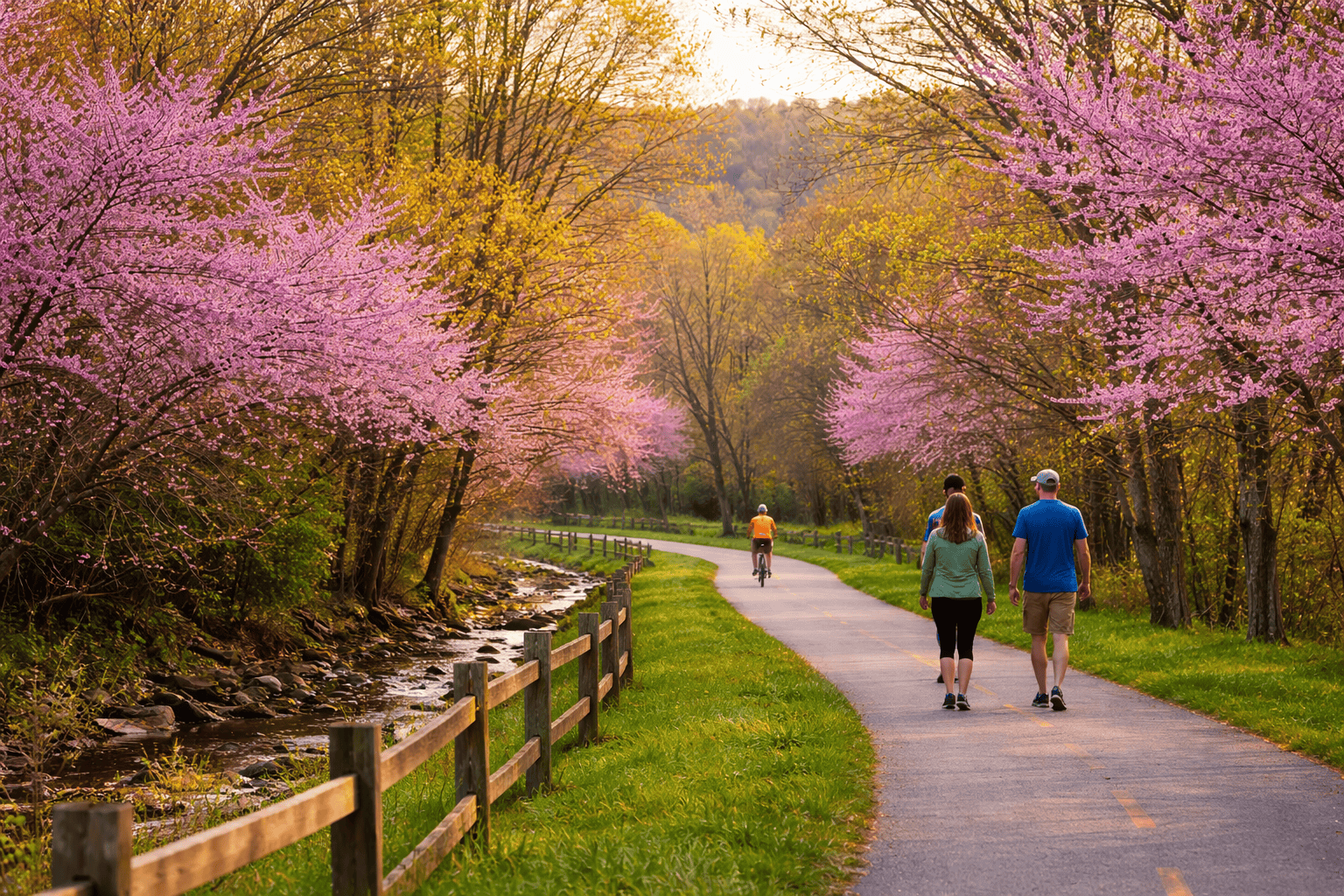
For many people, improving their health can feel overwhelming. Gym memberships, complicated routines, and limited time often make it difficult to maintain consistent exercise habits. But one of the most powerful tools for improving health is also one of the simplest: moving more as part of everyday life.
Walking and biking are two of the most accessible ways to stay active. They require minimal equipment, can fit easily into daily routines, and offer meaningful physical and mental health benefits. When communities create safe environments for walking and biking, they make it easier for residents to choose movement as part of their everyday lives.
Physical Health Benefits
Regular physical activity plays a critical role in preventing chronic disease and supporting long-term wellness.
Walking and biking can help:
- Improve heart and cardiovascular health
- Strengthen muscles and joints
- Maintain a healthy weight
- Reduce the risk of conditions such as diabetes, high blood pressure, and heart disease
Even moderate activity, such as a short walk around the neighborhood or biking to a nearby destination, can make a meaningful difference over time.
For many people, replacing short car trips with walking or biking provides an easy way to increase daily physical activity without needing to set aside additional time for exercise.
Mental and Emotional Well-Being
The benefits of walking and biking extend beyond physical health.
Spending time outdoors and engaging in regular movement can help reduce stress, improve mood, and support better mental health. Walking and biking also provide opportunities to unplug from screens, enjoy fresh air, and connect with the natural environment.
Many people find that even brief periods of outdoor activity can improve focus, boost energy levels, and create a sense of calm during busy days.
These small moments of movement often add up to significant improvements in overall well-being.
Building Healthy Communities
When communities prioritize safe spaces for walking and biking, they support healthier lifestyles for residents of all ages and abilities.
Sidewalks, trails, bike lanes, and multi-use paths create opportunities for people to move safely through their neighborhoods. These improvements make it easier for residents to walk to parks, bike to school, or take short trips without needing to drive.
Infrastructure that supports active transportation such as walking and biking as part of daily travel helps remove barriers that might otherwise prevent people from staying active.
These community investments support broader public health goals by making physical activity more accessible and convenient.
Everyday Movement Adds Up
One of the most important things to remember about physical activity is that it does not need to happen all at once.
Small choices throughout the day can make a big difference. Walking the dog, riding a bike with family, taking a short trip on foot, or choosing a trail instead of a treadmill are all ways to incorporate movement into daily routines.
When communities provide safe and welcoming spaces for walking and biking, those choices become easier for everyone.
Moving Toward a More Active Kentucky
Across Kentucky, communities are working to create environments where walking and biking are practical, safe, and accessible options for everyday travel and recreation.
These efforts support statewide initiatives focused on increasing physical activity and improving overall health. By making it easier for residents to move more throughout their day, communities can help reduce chronic disease, strengthen mental health, and improve quality of life.
Active living does not require dramatic lifestyle changes. Often, it simply begins with a short walk, a bike ride around the neighborhood, or choosing to move whenever the opportunity arises.
And when communities support those choices, healthier lives follow.