
Could You Make One Trip Differently?
Could You Make One Trip Differently?
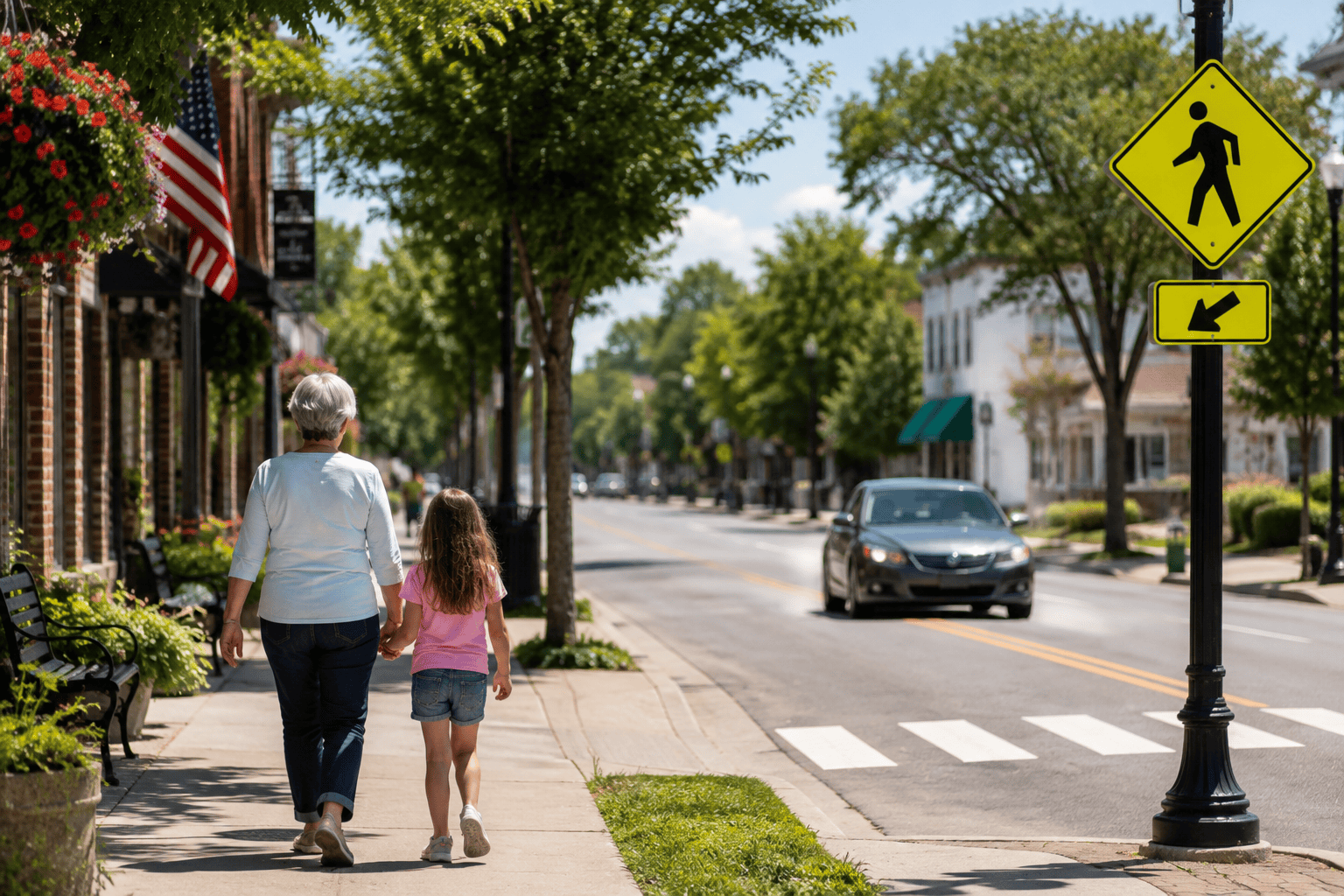
World Car-Free Day invites us to reconsider how we travel, one everyday trip at a time
Most Kentuckians cannot simply give up their cars. Workplaces may be miles from home, public transportation is limited in many communities and some roads offer no safe place to walk or bicycle. Disabilities, caregiving responsibilities, weather and demanding schedules can also make driving the most practical or only realistic choice.
World Car-Free Day, observed each year on September 22, does not have to be treated as an all-or-nothing challenge. Instead, it can offer an opportunity to look closely at one ordinary trip and ask whether another option might be possible.
Start with one realistic trip
The trip does not need to be a long commute or a dramatic lifestyle change. It might be a walk between two downtown destinations, a bicycle ride to a nearby park or a decision to park once and complete several errands on foot.
A family might walk with children to school, while a college student might bike across campus rather than drive. Someone with access to public transportation might combine a bus trip with walking or bicycling. Friends could replace an indoor visit with a walk through the neighborhood or along a local trail.
The goal is not to prove that every trip can be made without a car. It is to notice which trips might be possible and what conditions help or prevent people from choosing them.
Active transportation is part of active living
The Centers for Disease Control and Prevention defines active transportation as self-propelled, human-powered travel. Walking, bicycling and rolling can all help people reach destinations while adding physical activity to daily life.
That distinction is important because physical activity does not have to happen only in a gym, organized class or scheduled workout. A short walk to lunch, a bicycle ride to a store or the movement involved in reaching a transit stop can contribute to a more active day.
The CDC notes that even small amounts of physical activity can provide health benefits. Building movement into an existing trip may feel more manageable than finding additional time for exercise in an already crowded schedule.
For active transportation to become a practical choice, however, people need routes that connect them to places they need and want to go.
A short distance is not always an easy trip
A destination may be only a few blocks away and still feel unreachable without a vehicle. A missing sidewalk, dangerous intersection, high-speed road or lack of a safe bicycle connection can turn a short trip into an unreasonable risk.
Someone may be able to see a grocery store from home but have no safe way to cross the road. A neighborhood may sit beside a park while remaining separated from it by a highway. A school may be within walking distance, but parents may decide the route is too dangerous for their children.
These situations help explain why telling people to walk or bike more is not enough. Personal motivation matters, but the built environment strongly influences whether active transportation feels possible.
The CDC recommends connecting activity-friendly routes with everyday destinations as a way to increase physical activity. Those routes may include sidewalks, bicycle facilities, trails and public transportation connections, while destinations can include schools, parks, workplaces, stores and community spaces.
The experiment can reveal what is working
Choosing one different trip can help residents see their communities from another perspective. A person walking may notice a crossing signal that changes too quickly. Someone bicycling may discover that a comfortable route ends abruptly before reaching a destination.
They may also find features that work well, such as a shaded sidewalk, a visible crosswalk, a secure bicycle rack or a trail connection that makes the trip easier than expected.
These observations are valuable because transportation planning can feel abstract until it is connected to a real journey. A route is not truly complete simply because one section has a sidewalk or bicycle lane. It must allow people to travel safely from where they begin to where they need to go.
Residents who try a trip differently can document what they encounter through photographs, notes and conversations with others. That information can help community leaders understand where modest improvements might make walking, bicycling or rolling more practical.
One choice will not work for everyone
A useful World Car-Free Day message must recognize that some people cannot safely or reasonably make a trip without a vehicle. Rural residents may travel long distances for work, healthcare and basic services. People with disabilities may require accessible transportation that is not currently available.
Parents and caregivers may need to transport children, older relatives or equipment. Workers may travel at hours when public transportation does not operate, and dangerous infrastructure may make walking or bicycling an unacceptable risk.
Choosing to drive is not a personal failure. In many cases, it reflects the options a community has provided.
That is why this observance should not become a contest over who can avoid a car. It can instead create space for a more useful question: What would need to change for more people to have a genuine choice?
Communities can make short trips easier
Many improvements that support active transportation are practical and incremental. Filling a sidewalk gap can connect a neighborhood to a school. Improving a crossing can help residents reach a store or park. Adding bicycle parking can make it easier for someone to ride to a business.
Other communities may need longer-term planning for connected trails, bicycle facilities, safer corridors or improved transit access. The appropriate solution will depend on local conditions, road ownership, community priorities and available funding.
The important step is to begin with the trip itself. Where are people trying to go? What stands between them and the destination? Which barriers could be addressed now, and which should become part of a broader plan?
These questions shift the focus from asking why people do not walk or bike to examining whether the community has made those choices reasonable.
Notice what the trip teaches you
On September 22, consider choosing one trip that might be made differently. Walk to a nearby destination, ride a bicycle, use public transportation where it is available or park once and travel between several stops without moving the car.
As you go, notice whether the route feels safe, connected and welcoming. Pay attention to where you hesitate, where you feel exposed and where the journey becomes easier. Consider whether a child, older adult or person using a mobility device could comfortably make the same trip.
The most important outcome may not be the distance traveled or the amount of fuel saved. It may be a better understanding of how transportation choices are shaped by the places we build.
One different trip will not transform a community, but it can reveal what is possible, what is missing and what could help more Kentuckians make active living part of everyday life.