
Back-to-School Streets: Helping Kentucky Students Walk, Bike, and Arrive Safely
Back-to-School Streets: Helping Kentucky Students Walk, Bike, and Arrive Safely
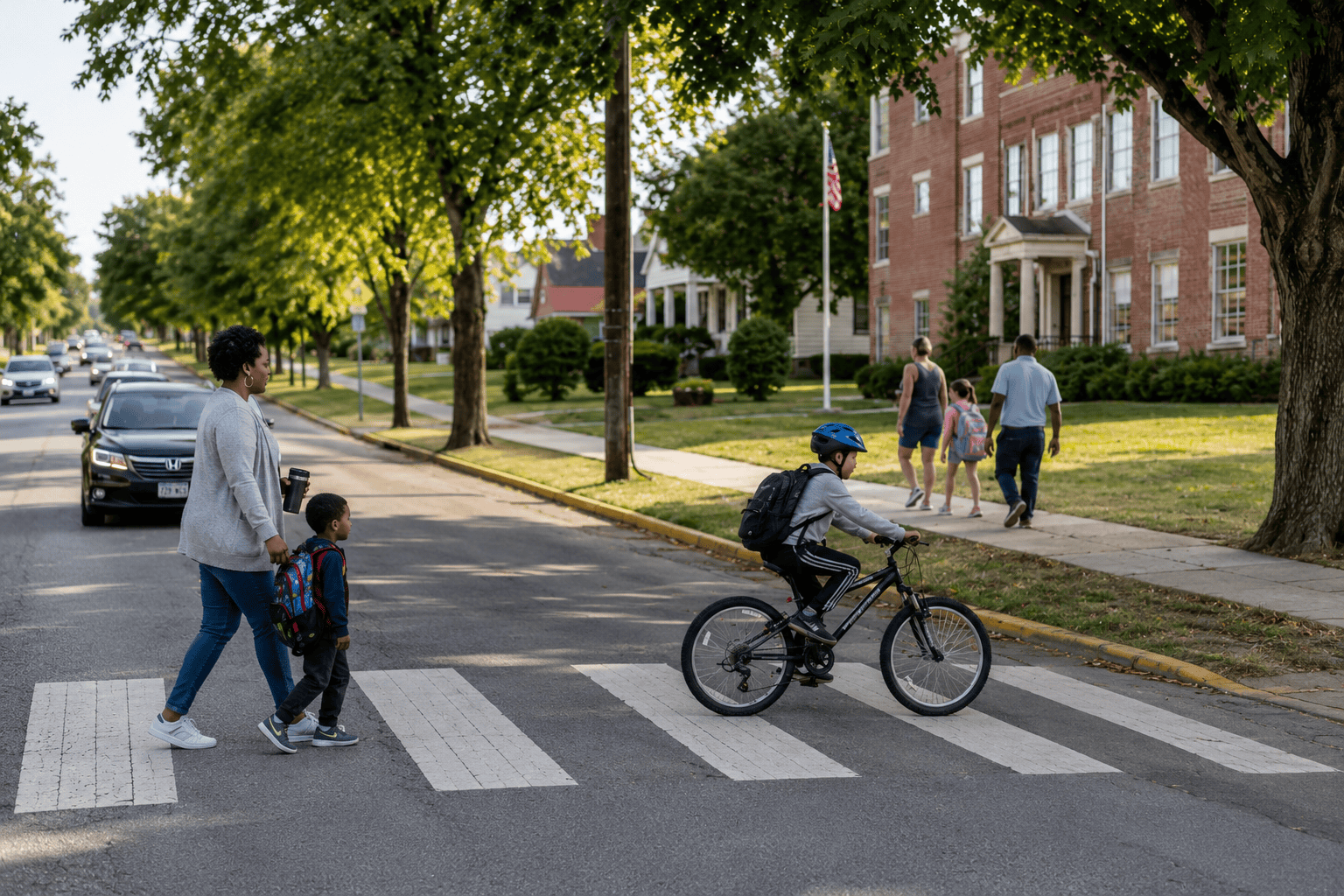
As students across Kentucky return to school, our streets, sidewalks, crossings, and neighborhood roads become part of the daily routine again.
Morning drop-off lines get longer. Afternoon traffic picks up. School buses return to their routes. Families adjust schedules. Children walk to bus stops, ride bikes through neighborhoods, cross streets near schools, and move through parking lots, sidewalks, and intersections that may feel very different than they did during the summer months.
That makes back-to-school season an important time to slow down, pay attention, and recommit to safer streets for everyone.
At Bike Walk Kentucky, we believe safe walking and bicycling are not just recreation issues. They are transportation issues. They are health issues. They are community issues. And during the school year, they are student safety issues.
Students Are Part of the Transportation System
When we think about transportation, it is easy to picture cars, trucks, and buses first. But every school day, many students also rely on walking and biking, even if only for part of their trip.
- A child walking from the bus stop to their front door is a pedestrian.
- A student riding a bike to school is a roadway user.
- A family crossing a street from a parking area to a school entrance is part of the transportation system.
- A teenager walking home after practice deserves the same attention and protection as any other person moving through public space.
Safe transportation planning must account for all of these moments.
Back-to-school safety is not only about what happens directly in front of a school building. It includes the neighborhood streets, crossings, sidewalks, shoulders, parking lots, and bus stops students use every day.
A Reminder for Drivers: Slow Down and Expect the Unexpected
The return of school-year routines means drivers should expect more children and families near roads, especially during morning and afternoon travel times.
Students may be excited, distracted, tired, or still learning how to judge traffic. Younger children can be harder to see and less predictable in their movements. Even older students may be walking with headphones, carrying heavy backpacks, or navigating busy intersections with limited visibility.
Drivers can help protect students by:
- Slowing down near schools, neighborhoods, parks, and bus stops
- Giving people walking and biking plenty of space
- Watching carefully at intersections and crosswalks
- Avoiding phone use and other distractions
- Being patient during school arrival and dismissal times
- Looking for children before turning into driveways, parking lots, or side streets
A few extra seconds of patience can prevent a life-changing crash.
Families Can Build Safe Habits Early
Back-to-school season is also a good time for families to talk with students about safe walking and biking habits.
For students who walk, that may include practicing the safest route, identifying where to cross, and making eye contact with drivers before stepping into the street. For students who bike, it may include checking that the bike fits properly, reviewing helmet use, practicing predictable riding, and choosing streets or paths that feel appropriate for the child’s age and skill level.
Families can also look for small ways to make active transportation part of the school routine. Even when walking or biking the full distance is not possible, students may be able to walk from a nearby parking area, bike with a parent or caregiver on certain days, or use a trail or sidewalk connection for part of the trip.
The goal is not perfection. The goal is helping students understand that walking and biking are normal, healthy, and valuable ways to move through their communities when safe options are available.
Communities Have a Role to Play
Back-to-school safety is not only the responsibility of individual families or drivers. Communities also shape whether walking and biking feel safe, practical, and welcoming.
Sidewalk gaps, faded crossings, high-speed roads, poor lighting, unclear signage, and disconnected routes can make active transportation harder for students and families. On the other hand, small improvements can make a meaningful difference.
Communities can support safer school travel by identifying problem areas, listening to families, documenting concerns, and working with local officials, school leaders, transportation partners, and public health advocates.
Questions worth asking include:
- Are there safe places for students to cross near schools?
- Are sidewalks continuous and accessible?
- Are bike routes or neighborhood streets comfortable for students?
- Are drivers given clear visual cues to slow down?
- Are bus stops, school entrances, and nearby intersections designed with children in mind?
- Are families invited into conversations about school transportation safety?
When communities pay attention to these details, they create safer conditions not only for students, but for everyone who walks, bikes, drives, or uses public spaces.
Safe School Travel Supports Health, Learning, and Community Life
Walking and biking can help students build physical activity into their day. They can also support independence, confidence, and connection to the places they live.
But students and families are more likely to choose active transportation when routes feel safe and accessible. That is why infrastructure, education, driver awareness, and community advocacy all matter.
Safer streets near schools support public health. They support local transportation choice. They support families. They support stronger, more connected communities.
And they remind us that the way we design and use our streets reflects what we value.
A Safer School Year Starts With All of Us
As the school year begins, Bike Walk Kentucky encourages drivers, families, schools, and communities to take student safety seriously.
Slow down. Stay alert. Look for people walking and biking. Talk with students about safe habits. Notice where routes feel unsafe. Share concerns with local leaders. Support improvements that make walking and biking safer and more accessible.
Every student deserves to arrive safely. And every Kentucky community benefits when its streets are designed and used with care.