
Paducah Community Shows How Local Investments Can Support Connection, Access, and Everyday Active Living
Paducah Community Shows How Local Investments Can Support Connection, Access, and Everyday Active Living
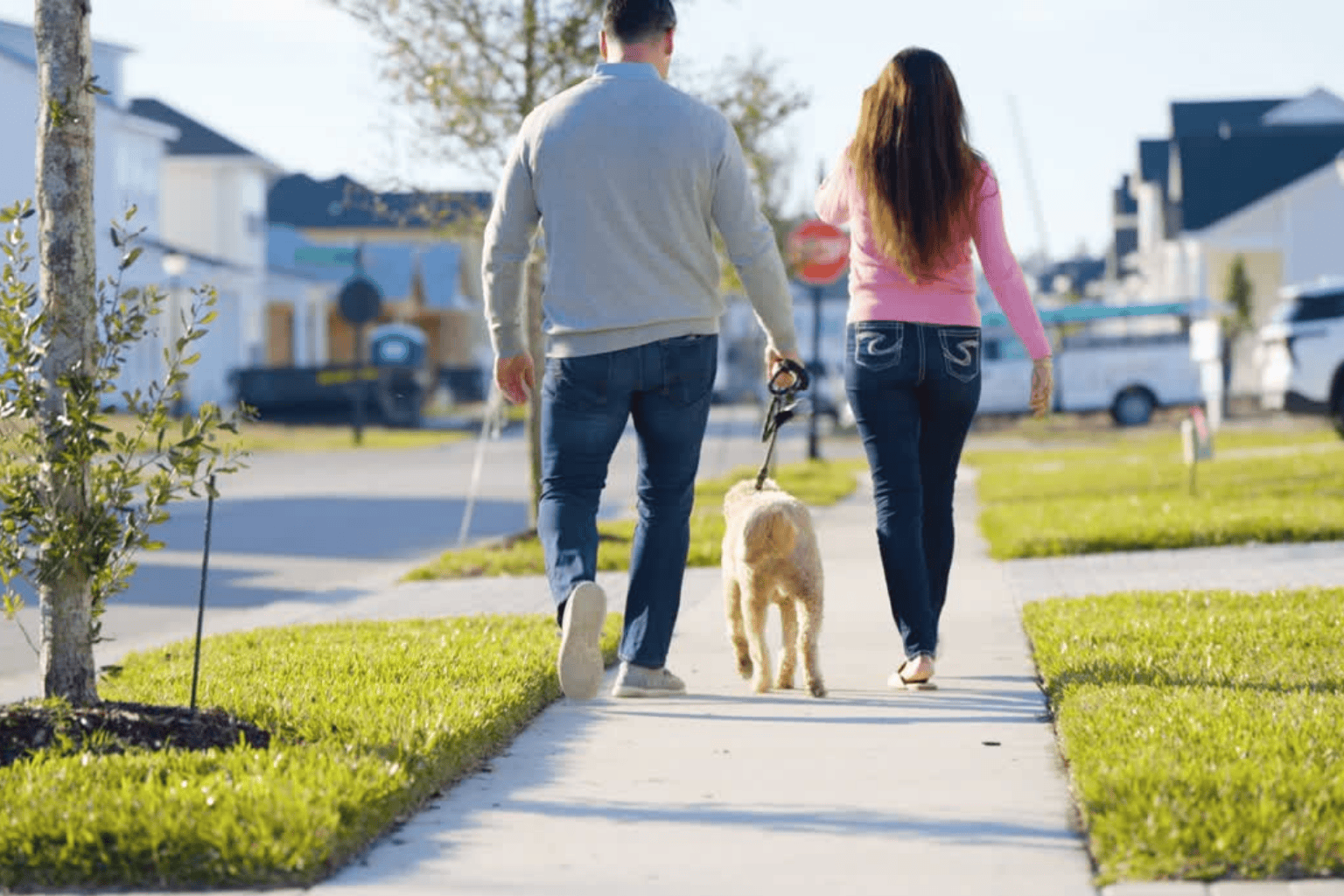
In the Lone Oak community of McCracken County, a local investment is helping show what active living can look like when communities think beyond individual projects and focus on connection.
McCracken County recently shared that it purchased 2.11 acres on Denver Street, bringing the space into county ownership to ensure it remains accessible, maintained, and part of long-term planning. The County described the investment as part of its continued commitment to helping communities connect and grow, noting that projects like this can help create more connected neighborhoods with better access and spaces that support everyday life.
For Bike Walk Kentucky, that language matters.
Active living does not always begin with a large trail system, a major transportation project, or a fully developed master plan. Sometimes it begins with a local government preserving public access to a piece of land, improving a neighborhood connection, or recognizing that everyday spaces shape the way people move through their community.
Active Living Starts Close to Home
When communities think about active living, the conversation often includes sidewalks, trails, bike routes, parks, crosswalks, and safer streets. But at its core, active living is about making physical activity part of daily life.
That depends on access.
Can people safely reach a park?
Can children and families move through their neighborhood?
Are public spaces maintained and welcoming?
Are there places nearby that support walking, play, connection, and outdoor activity?
The Denver Street property offers a useful example of how local decisions can support those goals. By bringing the land into county ownership, McCracken County helped protect a community space and keep it part of future planning. That kind of investment can strengthen neighborhood connectivity and create opportunities for future improvements that support walking, access, and community life.
Connected Neighborhoods Support Health and Quality of Life
The built environment influences behavior. When people have safe, accessible, and nearby places to walk, play, gather, and move, active living becomes easier to incorporate into daily routines.
In communities across Kentucky, small-scale investments can make a meaningful difference. A sidewalk connection, a preserved public space, a safer crossing, or an improved route to a park can help residents feel more comfortable choosing to walk or spend time outdoors.
These projects also support quality of life. Connected neighborhoods are easier to navigate. Public spaces create opportunities for neighbors to gather. Families benefit from nearby places that support outdoor activity. Local governments benefit from investments that make communities more livable, welcoming, and connected.
Why This Example Matters
Lone Oak’s Denver Street property is not just a land purchase. It represents the kind of local planning decision that can support broader active living goals over time.
It reflects several themes that matter across Kentucky:
- Access to public space
- Neighborhood connectivity
- Long-term community planning
- Everyday physical activity
- Quality of life
- Local investment in active living infrastructure
For Bike Walk Kentucky’s statewide work, this example helps broaden the conversation. Active living is not limited to cycling infrastructure or major roadway projects. It includes the local decisions communities make to preserve access, improve connections, and create places where people can move safely and comfortably.
A Practical Lesson for Other Communities
The Lone Oak example offers a clear lesson for other Kentucky communities: progress does not always have to begin with a large capital project.
- It can begin with identifying an opportunity.
- It can begin with preserving access.
- It can begin with asking how a piece of land, a public space, a park, or a neighborhood connection could better support the daily lives of residents.
That is often the first step toward larger active living work.
Looking Ahead
As McCracken County continues planning for the Denver Street property and other community improvements, the Lone Oak area offers an important reminder: active living is built through many decisions over time.
Some are large. Some are small. All of them matter when they help people connect, move, and participate more fully in everyday community life.
For Bike Walk Kentucky, this is exactly the kind of local example worth documenting and sharing. It shows how Kentucky communities can support active living through practical, place-based investments that improve access, strengthen neighborhoods, and create healthier, more connected places to live.